Understanding the Concept of Age Perception in Beauty
Age perception plays a crucial role in the way we view ourselves and how others perceive us. The question "how old do I look?" goes beyond mere curiosity; it taps into deeper psychological and social nuances related to beauty, self-esteem, and identity. Today, tools powered by artificial intelligence (AI) can provide insights into this question, allowing users to understand their facial age in a fun and interactive way. In this exploration, we'll dive into the science behind age perception, the common myths surrounding it, and how technology is reshaping our understanding.
What Does "How Old Do I Look?" Mean?
The phrase "how old do I look?" encapsulates a person’s calculation of their perceived age based on facial features and societal standards. Often, this assessment can reflect societal ideals of beauty, youth, and vitality. Age perception involves both psychological and cultural dimensions, where individuals might desire to appear younger or older depending on various factors, including personal goals or societal pressures.
The Science Behind Facial Age Estimation
Researchers have extensively studied how facial features correlate with perceived age. Several attributes such as skin elasticity, wrinkles, and facial volume contribute to an individual's perceived age. Studies indicate that specific features can significantly influence how old someone appears to others. For instance, increased visibility of crow's feet and sagging skin can age a person’s appearance, while smooth skin and fuller cheeks are often associated with youth. Understanding these scientific bases can help in utilizing tools or services effectively for a more accurate age estimation.
Common Misconceptions about Age Perception
- Beauty Equals Youth: Many believe that being beautiful is directly tied to being young. However, beauty is subjective, and many older individuals are considered beautiful.
- Cosmetic Products Are the Only Solution: There's a common assumption that cosmetic products can drastically change perceived age. While they can help, factors like lifestyle and genetics play a crucial role too.
- Mood Doesn't Affect Perception: People often overlook the impact of mood on perception. A person's facial expression can dramatically influence age estimation.
How Technology is Transforming Age Estimation
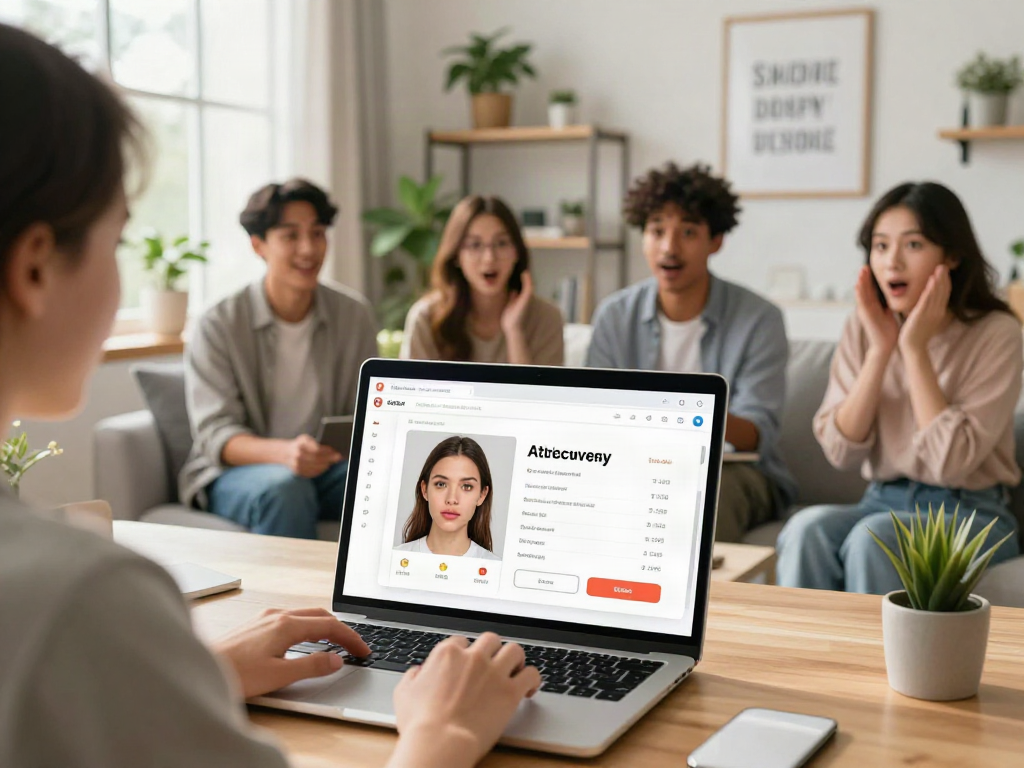
As technology advances, age estimation tools have become more sophisticated and user-friendly. AI-driven applications now provide a fast and accurate way to calculate perceived age through photo uploads or live scans. When exploring options, how old do I look offers comprehensive insights and helps users engage with their appearance in a light-hearted way.
Overview of AI Age Estimation Tools
AI age estimation tools leverage deep learning algorithms trained on vast datasets of human faces. These algorithms can analyze images and provide not only an estimated age but also insights into skin health and other aging indicators. With varying levels of accuracy, users can select tools that cater to their specific needs, whether for entertainment or serious analysis.
How to Use Mobile Apps for Accurate Results
Most age estimation apps are straightforward and user-friendly. To achieve the best results, consider the following tips:
- Use a clear, high-resolution photo: Ensure your face is well-lit and clearly visible to improve the app’s analysis accuracy.
- Avoid heavy filters: Filters can distort facial features, leading to inaccurate results.
- Follow app-specific guidelines: Each application may have different requirements for optimal image input.
Pros and Cons of Online Age Guessers
While online age guessers can be fun and informative, there are pros and cons to their use:
- Pros:
- Cons:
Best Practices for Taking Age Estimation Photos
To gain the most accurate age estimation results, certain photo-taking practices can enhance the clarity and quality of your images.
Lighting: How It Affects Perception
Good lighting is essential to reduce shadows and enhance facial features. Natural light is typically the most flattering, creating a soft and even effect. Avoid harsh spotlights or direct sunlight, which can create unflattering contrasts.
Angles and Expressions to Consider
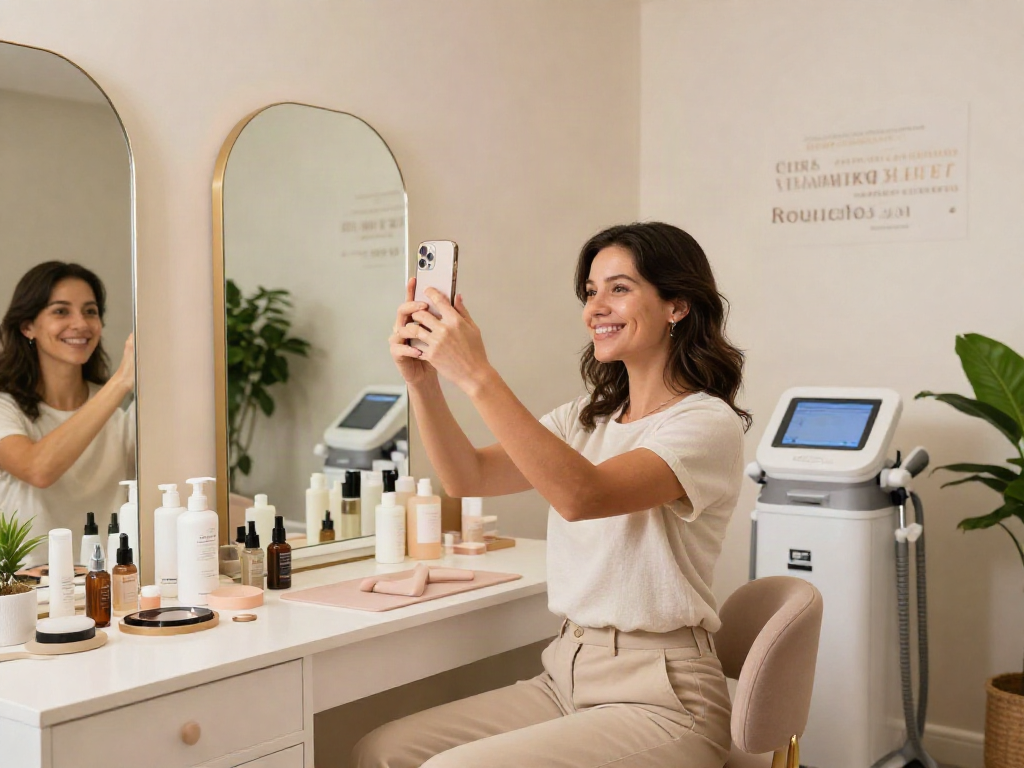
The angle at which you take a photo can significantly influence how old you appear. A slight tilt of the camera and a genuine smile can enhance your perceived youthfulness, whereas certain angles can emphasize wrinkles or sagging.
Choosing the Right Background for Your Photos
A neutral or simple background allows the focus to remain on your face. Cluttered or distracting backgrounds can detract from the primary subject of the photo, potentially skewing age estimation results.
Interpreting Your Results: What Age Estimators Don’t Tell You
When you receive results from an age estimator, it’s essential to interpret them critically. These tools provide a fun insight but often miss nuanced factors that can affect age perception.
Understanding Variability in Results
Different apps may yield varying results due to changes in algorithms and training datasets. It's vital to approach results as a general guide rather than an absolute assessment.
How Lifestyle Choices Impact Perceived Age
Your lifestyle choices play a significant role in your perceived age. Factors such as diet, exercise, sleep, and skincare routine can contribute to youthful appearance. Additionally, stress management and hydration levels can influence skin health and age perception.
Consulting Professionals for a Comprehensive Assessment
If you seek a detailed analysis of your appearance or are considering cosmetic procedures, consulting a dermatologist or a licensed aesthetician is advisable. They can provide personalized advice that goes beyond what an app can offer.
The Future of Age Estimation: Trends for 2026 and Beyond
As we move into 2026, the landscape of age estimation is set to evolve significantly, driven by advancements in technology and societal changes.
Emerging Technologies in Facial Recognition
Future trends will likely include enhanced facial recognition technologies that incorporate more variables, such as environmental factors and lifestyle habits, to produce more accurate age estimates.
Social Implications of Age Estimation Apps
As age estimation apps become more mainstream, they may influence beauty standards and perceptions of aging. The conversation around aging is evolving, and these tools could either empower users or reinforce negative stereotypes about aging.
Preparing for a Future Where Age Estimation is Commonplace
As technology continues to shape our experience with age perception, it will be essential to strike a balance between technological insights and self-acceptance. Engaging with these tools should promote a healthy dialogue about beauty and aging, embracing individual differences and fostering self-esteem.
What is the most accurate way to assess how old do I look?
While online tools provide a fun perspective, consulting with a professional is often the most reliable method for understanding your perceived age and how to manage it effectively.
Can age estimation apps give false results?
Yes, age estimation apps can provide inaccurate results due to various factors, including lighting and facial expressions during photo capture.
How should I take photos for the best age estimation?
Utilize good lighting, choose a neutral background, and maintain a natural expression to improve the accuracy of your photos for age estimation.
Do lifestyle factors really affect the perceived age?
Absolutely! Factors such as diet and hydration can dramatically influence how old you appear, affirming the importance of a holistic approach to self-care.
What future advancements should we expect in age estimation technology?
Future advancements may include AI-driven recommendations based on individual lifestyle data, more accurate algorithms incorporating emotional states, and a greater emphasis on ethical considerations regarding beauty standards.