
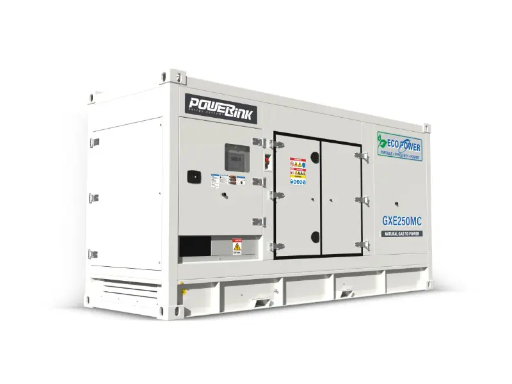
Energy requirements are increasing across industries, businesses, and communities. As organizations look for reliable and efficient ways to produce electricity, gas-to-power solutions are becoming an important part of modern energy strategies. These systems allow businesses to convert gaseous fuels into usable electrical energy while improving efficiency and reducing energy waste.
Gas-to-power technology provides a practical approach for facilities that need dependable electricity and greater control over their energy supply. Thanks to advancements in engine design, a modern gas engine generator can deliver reliable power, enhance energy efficiency, and support long-term industrial operations.
Understanding Gas-to-Power Technology
Gas-to-power refers to the process of converting natural gas or other gaseous fuels into electricity. Instead of using traditional energy sources, these systems use combustion technology to generate power that can be used for industrial, commercial, and utility applications.
A key component of many gas-to-power systems is a gas engine generator, which converts fuel energy into mechanical power and then into electricity. This process provides an efficient method of producing energy close to where it is needed.
How Gas-to-Power Systems Work
The operation of a gas-to-power system involves several important steps. First, gas fuel is supplied to the engine where it is burned through a controlled combustion process. The energy produced from combustion drives the engine, which powers an electrical generator.
The generated electricity can then be used to support different operations, while heat produced during the process can also be recovered for additional applications.
This makes gas-to-power systems valuable for facilities that require both electricity and thermal energy.
Benefits of Gas-to-Power Solutions
Reliable Electricity Generation
One of the main advantages of gas-to-power technology is its ability to provide a consistent electricity supply. Many industries depend on continuous energy availability to maintain production and avoid costly downtime.
A gas powered generator can support facilities by delivering dependable power during normal operations or acting as a backup solution during grid failures.
Improved Energy Efficiency
Modern gas-to-power systems are designed to use fuel efficiently. Compared with separate electricity and heating systems, integrated solutions can reduce energy losses and improve overall performance.
By maximizing fuel utilization, businesses can achieve better energy management and lower operating expenses.
Lower Environmental Impact
Energy efficiency plays an important role in reducing emissions. Gas-based power generation can help organizations move toward cleaner energy practices by using advanced combustion methods and reducing unnecessary fuel consumption.
When combined with other sustainable energy strategies, gas-to-power solutions support long-term environmental goals.
Cost Savings Over Time
Energy costs are a major concern for industrial and commercial users. Generating electricity on-site can help businesses reduce their dependence on external power sources.
With proper system design and regular maintenance, gas-to-power technology can provide long-term financial advantages through improved efficiency and reduced operational costs.
Common Applications of Gas-to-Power Systems
Gas-to-power solutions are suitable for many industries and facilities, including:
- Manufacturing plants
- Oil and gas facilities
- Commercial buildings
- Healthcare centers
- Data centers
- Agricultural operations
- Remote locations
- Large-scale industrial projects
These systems are especially useful in areas where reliable electricity supply is essential.
Choosing the Right Gas-to-Power Solution
Selecting the right system depends on several factors, including energy demand, fuel availability, operating conditions, and future requirements.
Businesses should consider generator capacity, efficiency levels, maintenance needs, and system flexibility before making an investment. A properly designed gas-to-power solution should provide dependable performance while matching the specific needs of the facility.
Modern systems also include monitoring technologies that help operators track performance and improve energy management.
The Future of Gas-to-Power Technology
As global energy needs continue to change, gas-to-power technology is expected to remain an important part of the energy landscape. Its combination of reliability, efficiency, and flexible operation makes it suitable for modern power challenges.
Future developments in engine technology, fuel flexibility, and energy integration will continue to improve the performance of these systems.
Conclusion
Gas-to-power solutions provide a practical way for businesses to generate reliable electricity while improving energy efficiency. By converting gaseous fuels into usable power, these systems help industries maintain stable operations and reduce energy waste.
Whether used as a primary energy source or a backup solution, gas powered generator offer a dependable option for organizations seeking efficient and sustainable power generation.