
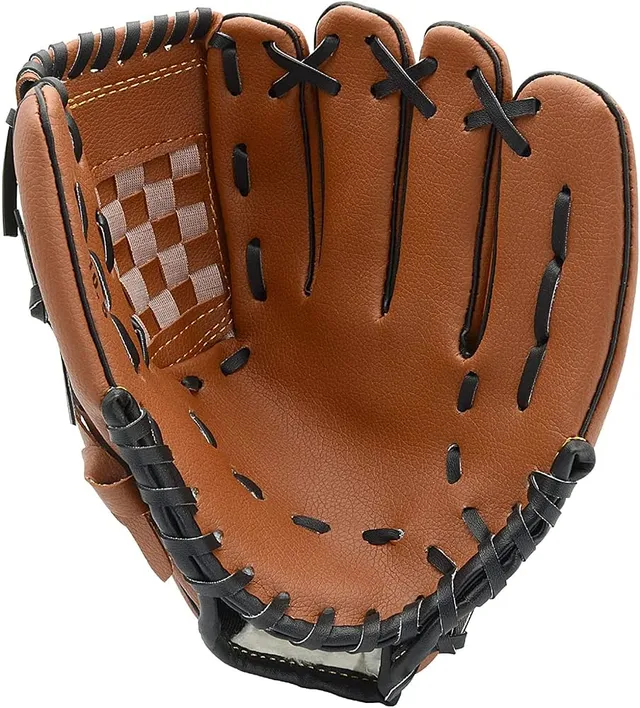
Finding the perfect baseball glove is an important step for players who want to improve their comfort, control, and confidence on the field. The right glove can make catching easier, support quick transfers, and help players perform more naturally at their position. However, with so many sizes, materials, web designs, and styles available, choosing the right option can feel overwhelming. This complete guide explains the most important factors to consider when shopping for baseball gloves.
Start With Your Position
Your position should be one of the first things you consider when choosing a glove. Different positions require different features because players perform different types of plays.
Infielders often need smaller gloves that allow quick ball transfers, while outfielders generally use larger gloves with deeper pockets for catching fly balls. Pitchers may prefer gloves with closed web designs that help conceal the ball.
Catchers use specialized mitts designed to handle repeated high-speed pitches. First basemen also use specially shaped gloves that provide a larger catching surface and help secure throws around the bag.
Choosing a glove designed for your position can make a noticeable difference in performance.
Choose the Correct Glove Size
Glove size is another essential consideration. The appropriate size depends on your position, age, and hand size.
Youth players generally need smaller gloves that are easier to control. Adult infielders typically prefer smaller sizes for quick transfers, while outfielders often choose larger models to increase their catching range.
A glove should not feel excessively heavy or difficult to close. If you struggle to control it, the glove may be too large for your current ability.
Consider the Web Design
The web connects the thumb and fingers and plays an important role in how a glove performs. Different web styles are designed for different positions and preferences.
Infielders may choose web designs that provide quick access to the ball, while pitchers often favor closed or less transparent webs for ball concealment. Outfielders may prefer deeper web designs that help secure fly balls.
When comparing baseball gloves consider how the web design fits your position and personal playing style.
Select the Right Material
The material of a glove affects its feel, durability, break-in process, and price. Leather remains one of the most popular materials because it can provide durability and develop a personalized feel over time.
Different grades of leather offer different combinations of softness, strength, and performance. Beginners may prefer an affordable glove that is easier to break in, while advanced players may choose premium leather for its long-term durability and feel.
Synthetic materials are also available and can be lighter and more affordable, making them an option for younger or recreational players.
Think About Glove Fit
A glove should fit your hand securely while still allowing enough movement to control the ball. An overly loose glove can make catching and transfers difficult, while an excessively tight glove may cause discomfort.
Look at the wrist adjustment system and finger stalls when trying baseball gloves. Many gloves offer adjustable features that help players create a more secure fit.
Whenever possible, try a glove on before buying it. Open and close it several times to determine whether it feels comfortable.
Understand the Break-In Process
New leather gloves can be stiff when first purchased. Breaking in the glove properly helps create a comfortable pocket and makes it easier to close around the ball.
The break-in process varies depending on the leather and manufacturer. Follow the manufacturer's recommendations rather than using methods that could damage the material.
Regular practice and catching can gradually help the glove develop a shape that matches your hand and playing style.
Consider Your Throwing Hand
It may sound obvious, but players need to make sure they purchase the correct glove for their throwing hand. A right-handed thrower generally wears a glove on the left hand, while a left-handed thrower typically uses a glove on the right hand.
Always check the glove's orientation before completing your purchase. This is especially important when ordering baseball gloves online.
Evaluate Your Skill Level
Your experience level should also influence your choice. Beginners do not necessarily need the most advanced or expensive glove available.
A comfortable, properly sized glove can help new players develop basic catching and fielding skills. More experienced players may have specific preferences regarding leather quality, pocket depth, web design, and break-in characteristics.
As your skills develop, your equipment preferences may change as well.
Set a Realistic Budget
Baseball gloves are available at a wide range of prices. Before shopping, establish a budget based on your playing frequency and experience level.
A higher price can reflect premium materials and craftsmanship, but expensive does not automatically mean better for every player. A moderately priced glove that fits correctly and suits your position can provide excellent value.
Consider durability as part of the overall investment, especially if you play regularly.
Maintain Your Glove Properly
Once you find the right glove, proper care can extend its useful life. Keep it clean, store it in a dry environment, and follow the manufacturer's recommendations for conditioning.
Avoid excessive moisture and extreme temperatures because they can affect leather. When storing the glove, maintaining its natural shape can help preserve the pocket.
Regular maintenance can keep your baseball glove comfortable and ready for practice or game day.
Conclusion
Finding the perfect baseball glove requires more than choosing a popular model. Consider your position, glove size, web design, material, fit, throwing hand, skill level, budget, and break-in requirements before making your decision.
The best baseball gloves are those that feel comfortable, provide reliable control, and match the demands of your position. By taking time to compare your options and test different gloves when possible, you can find equipment that supports your development and gives you greater confidence every time you step onto the baseball field.