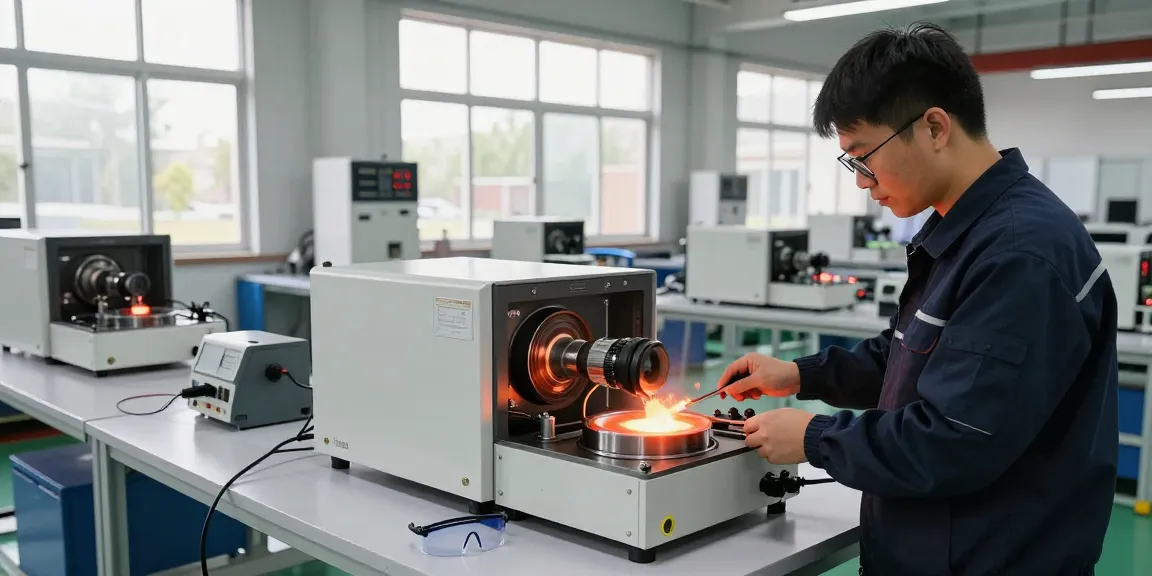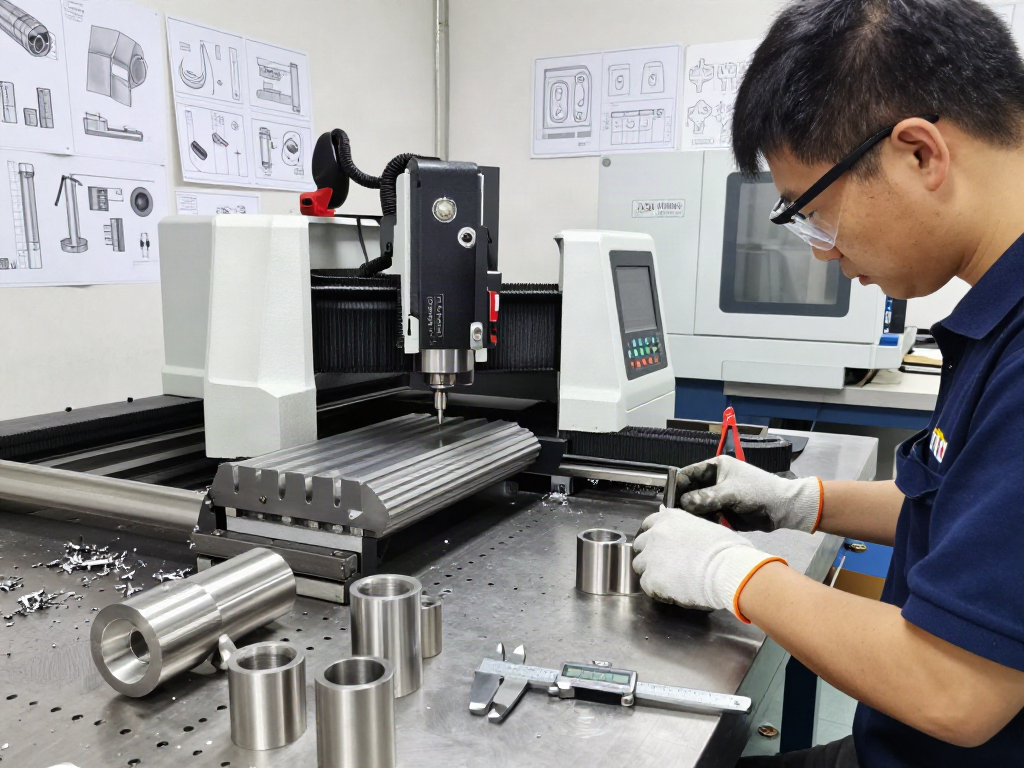
Understanding Custom Stainless Steel Parts
Custom stainless steel parts have emerged as crucial components in various industries due to their durability, versatility, and aesthetic appeal. As manufacturers strive to meet specific design requirements, understanding the nuances of these parts becomes essential. When exploring options, custom stainless steel parts offer a unique blend of functionality and precision that can significantly enhance product quality.
What are Custom Stainless Steel Parts?
Custom stainless steel parts are tailored components made from stainless steel to meet specific requirements defined by a client's design or functional needs. These parts can encompass a wide variety of products, such as brackets, housings, fasteners, and more, each engineered for particular applications or environments. The customization process allows for adjustments in size, shape, and finish, ensuring that the final products fully align with the intended use and industry standards.
Applications of Custom Stainless Steel Parts in Various Industries
The applications of custom stainless steel parts span numerous sectors, including:
- Aerospace: Parts must withstand extreme conditions while providing robustness and lightness.
- Automotive: Used in components like exhaust systems and structural elements due to their corrosion resistance.
- Medical Devices: Biocompatibility and sterilization capabilities make stainless steel ideal for instruments and implants.
- Food Processing: Hygiene and cleanliness requirements necessitate the use of non-corrosive materials.
- Construction: Stainless steel provides aesthetic appeal and durability for architectural components.
Key Benefits of Utilizing Custom Stainless Steel Parts
Choosing custom stainless steel parts brings a plethora of advantages, such as:
- Durability: Stainless steel is known for its strength and resistance to corrosion.
- Design Flexibility: Custom parts can be designed to fit specific operational needs or aesthetic requirements.
- Cost-Effectiveness: Although initial costs may be higher, custom parts can reduce long-term maintenance and replacement costs.
- Enhanced Performance: Optimized parts lead to improved functionality and efficiency in machinery or structures.
The Manufacturing Process of Custom Stainless Steel Parts
The creation of custom stainless steel parts involves several critical steps that ensure high-quality production. Each stage is integral to achieving the desired specifications while maintaining efficiency and cost-effectiveness.
Overview of CNC Machining Techniques
CNC (Computer Numerical Control) machining is one of the most prevalent methods for manufacturing custom stainless steel parts. This technique involves using computerized controls to operate machining tools, like lathes and mills, to produce precise components. The main benefits of CNC machining include:
- Accuracy: CNC machines can produce parts to tight tolerances, ensuring that each piece is identical.
- Repeatability: Once a design is programmed, it can be replicated as many times as needed without deviation.
- Complexity: CNC machining can manufacture intricate geometries that would be challenging or impossible using traditional methods.
Material Selection for Optimal Durability
Choosing the right type of stainless steel is critical for performance and longevity. Common grades include:
- 304 Stainless Steel: Offers excellent corrosion resistance and is widely used for various applications.
- 316 Stainless Steel: Contains molybdenum, providing enhanced corrosion resistance in saltwater environments.
- 410 Stainless Steel: A martensitic stainless steel known for good wear resistance, often used in cutlery and tooling.
Quality Control Processes in Manufacturing
Ensuring the quality of custom stainless steel parts involves rigorous testing and quality assurance protocols. Manufacturers typically follow the ISO 9001 guidelines, which include:
- Incoming Material Inspection: Verifying that raw materials meet specified standards before production.
- In-Process Quality Checks: Regular monitoring during manufacturing to catch defects early.
- Final Product Testing: Conducting dimensional, mechanical, and sometimes chemical tests to ensure compliance with the client's specifications.
Comparative Analysis of Custom Stainless Steel Parts Suppliers
With many suppliers in the custom stainless steel parts market, understanding the competitive landscape is essential for businesses seeking production. Below is a comparative analysis of leading players in the industry.
Top Competitors in the Market
Several companies dominate the market, each providing unique offerings:
- eMachineShop: They offer an online platform for designing and ordering custom parts, promoting accessibility for small businesses.
- Protolabs: Known for fast turnaround times and an extensive range of stainless steel options, ideal for rapid prototyping.
- W.H. Bagshaw Company: Offers precision machining and a focus on custom components for various applications.
Price Comparisons and Cost-Effectiveness
The cost of custom stainless steel parts varies significantly based on complexity, materials, and production volume. It's essential for businesses to compare quotes and consider factors such as:
- Initial setup costs vs. long-term savings through durability.
- Volume discounts for large orders.
- Shipping and lead times, which can affect overall project timing and budget.
Customer Reviews and Satisfaction Ratings
Evaluating customer feedback can provide insight into a supplier's reliability and product quality. Businesses should:
- Look for testimonials that highlight quality assurance and service responsiveness.
- Consider ratings on platforms like Trustpilot or industry-specific forums.
Challenges in Custom Stainless Steel Parts Production
Despite the advantages, several challenges persist in the production of custom stainless steel parts. Addressing these issues is vital for optimizing processes and ensuring customer satisfaction.
Common Manufacturing Obstacles and Solutions
Manufacturers often face hurdles such as:
- Material Variability: Inconsistent quality in raw materials can lead to defects. Establishing strong relationships with reliable suppliers is critical.
- Technology Limitations: Not all CNC machines can handle complex designs. Continuous investment in technology and operator training can mitigate this issue.
- Regulatory Compliance: Meeting industry-specific standards can be cumbersome, necessitating thorough documentation and testing.
Misconceptions About Stainless Steel Fabrication
Many potential customers hold misconceptions regarding stainless steel fabrication, such as:
- Custom parts are always more expensive than standard options—a fallacy as long-term savings often outweigh initial costs.
- All stainless steel is the same, neglecting the importance of grade selection based on application requirements.
How to Ensure Compliance with Industry Standards
Compliance with industry standards is paramount, and manufacturers can ensure adherence by:
- Conducting regular audits and maintaining certifications.
- Investing in training for staff on compliance issues and best practices.
- Staying updated on changes in regulations relevant to their industry.
Future Trends in Custom Stainless Steel Parts Manufacturing
The landscape of custom stainless steel parts manufacturing is continually evolving, driven by technological advancements and changing market demands. Businesses should consider the following trends as we move toward 2026.
Emerging Technologies in CNC Machining
Innovations in CNC machining, such as additive manufacturing and automation, are transforming the production process. These technologies can:
- Enhance capabilities for producing complex geometries.
- Reduce waste by optimizing material usage.
- Streamline processes, minimizing lead times and costs.
Sustainability Practices in Metal Manufacturing
The push for sustainability has led manufacturers to adopt greener practices, including:
- Utilizing recycled materials in production.
- Reducing energy consumption through efficient processes.
- Implementing waste reduction strategies to minimize environmental impact.
Predictions for the Custom Parts Market through 2026
Market analysts predict a robust growth trajectory for the custom stainless steel parts sector, fueled by demand in industries like renewable energy and healthcare. Key predictions include:
- Increased adoption of automation and data analytics to improve efficiency and quality.
- Greater emphasis on customization, as clients demand tailored solutions that meet specific needs.
- Expansion into emerging markets, particularly in Asia and Africa, as manufacturing hubs shift.
What are the advantages of custom stainless steel parts?
The advantages of custom stainless steel parts include enhanced durability, precision design, and long-term cost-effectiveness. These components meet specific operational demands, promoting better performance and reliability across various applications.
How to choose a supplier for custom stainless steel parts?
Selecting the right supplier involves evaluating their experience, quality assurance processes, and customer feedback. Potential clients should also consider the supplier's production capabilities and adherence to industry standards.
What industries benefit most from custom stainless steel parts?
Industries such as aerospace, automotive, and healthcare significantly benefit from custom stainless steel parts due to their stringent requirements for durability and performance. The food processing and construction sectors also rely heavily on these components for various applications.
Are custom stainless steel parts cost-effective?
While the initial costs for custom stainless steel parts may be higher than off-the-shelf solutions, their long-term durability, reduced maintenance, and improved efficiency make them a cost-effective choice in the long run.
How do I ensure product quality in custom stainless steel manufacturing?
Ensuring product quality involves implementing rigorous quality control measures, selecting high-quality raw materials, and adhering to industry standards throughout the manufacturing process. Regular audits and staff training also play a crucial role.