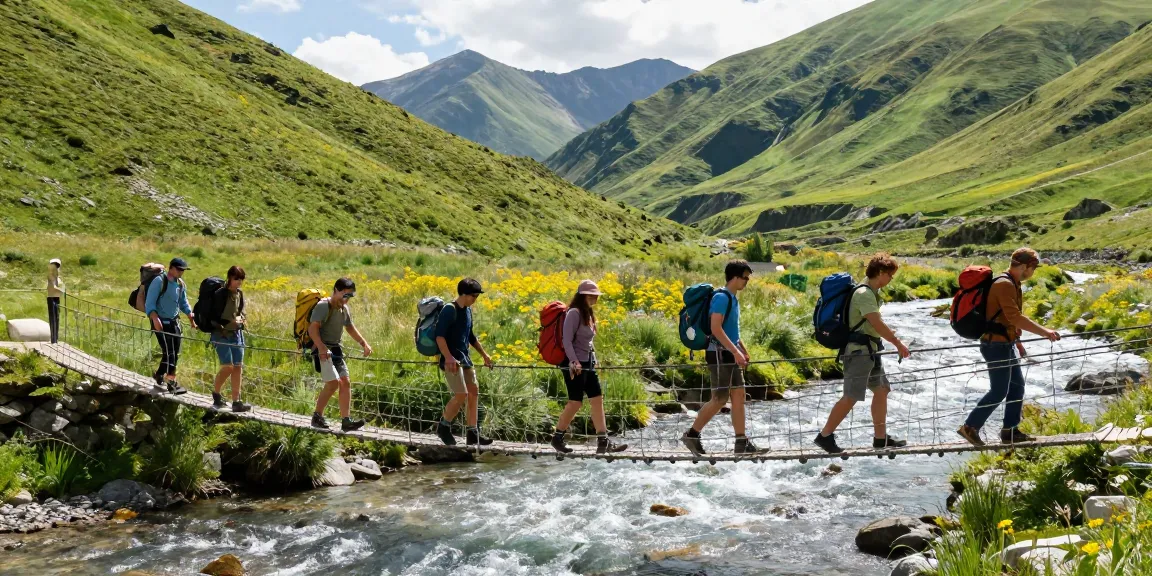
Understanding River Rope Bridges: Design and Functionality
River rope bridges are remarkable structures that combine functionality with aesthetic appeal, serving both practical and recreational purposes. They provide essential crossings over rivers and can enhance outdoor experiences, whether for hiking, camping, or community use. The design of these bridges is tailored to blend into natural landscapes, ensuring minimal environmental impact while offering a unique crossing experience. When exploring options, River Rope Bridge offer comprehensive insights into various styles and functionalities available today.
What is a River Rope Bridge?
A river rope bridge, typically constructed from a framework of ropes, cables, and wooden planks, allows individuals to cross rivers safely. These structures can vary in complexity, from simple one-rope designs used in military training to elaborate, fully engineered crossings that support significant foot traffic. The cultural significance of rope bridges is notable in many parts of the world, with some serving as vital links for communities residing in difficult terrain.
Key Elements of Rope Bridge Design
Designing a river rope bridge involves several crucial elements that ensure safety, durability, and usability. Here are some key aspects:
- Materials: High-quality ropes (often synthetic or natural), cables, and wood are used to construct a robust bridge.
- Load Capacity: The design must account for the maximum weight it will bear, including pedestrians and any additional loads.
- Anchoring System: Proper anchorage is critical to maintaining stability, especially in areas prone to wind or flooding.
- Safety Features: Incorporation of handrails, non-slip surfaces, and periodic inspections to ensure safety for all users.
Benefits of Using River Rope Bridges
River rope bridges offer numerous benefits that cater to various needs:
- Access: They often provide essential connections in remote areas where traditional bridges are impractical.
- Cost-Effectiveness: Generally less expensive to construct and maintain compared to traditional bridge designs.
- Aesthetic Appeal: These bridges enhance the beauty of natural landscapes and can be designed to complement the surrounding environment.
- Community Engagement: Often built by local communities, they promote teamwork and local craftsmanship.
Choosing the Right River Rope Bridge for Your Needs
When selecting a river rope bridge, several factors must be considered to ensure it meets your specific needs and requirements.
Factors to Consider When Selecting a Bridge
Understanding the characteristics of your location and the intended use of the bridge is vital. Consider the following:
- Width and Span: Measure the distance between anchoring points and determine the required bridge width based on expected foot traffic.
- Height Above Water: Assess the best height for the bridge to avoid potential flooding and ensure safety.
- Local Wildlife: Be mindful of local ecosystems and wildlife, which can affect the structure’s placement and design.
Comparative Costs of River Rope Bridges
The cost of a river rope bridge can vary significantly based on materials, design complexity, and location. A simple rope bridge can start from a few hundred pounds, while more complex structures may run into thousands. It's essential to obtain multiple quotes from contractors who specialise in such constructions to get an accurate estimate.
Popular Styles and Materials
Several styles of river rope bridges are popular, each serving different purposes:
- Fixed Bridges: These are anchored firmly and provide a stable crossing.
- Suspension Bridges: These utilize cables to support the walkway, providing flexibility and reducing strain.
- Natural Material Bridges: Often utilise locally sourced materials, blending seamlessly with the environment.
Installation and Maintenance of River Rope Bridges
To ensure longevity and safety, proper installation and regular maintenance are crucial for river rope bridges.
Step-by-Step Installation Guide
Installing a river rope bridge involves multiple stages, including:
- Site Assessment: Evaluate the specific site for suitability.
- Design Planning: Draft a comprehensive design based on site parameters.
- Foundation Preparation: Establish secure foundations at each end.
- Suspension Setup: Install the main cables and secure the bridge deck.
- Final Safety Checks: Inspect all components for safety before use.
Routine Maintenance Best Practices
Regular maintenance is critical to prolonging the bridge's life and ensuring user safety. Suggested practices include:
- Inspecting ropes and cables for wear and tear.
- Cleaning surfaces to prevent slipping.
- Repairing any structural damage immediately.
Common Challenges and Solutions
Challenges such as severe weather, wildlife interference, and wear can impact bridge safety and longevity. Implementing resilient designs and conducting regular inspections will mitigate these risks. Additionally, establishing emergency protocols can ensure user safety in adverse conditions.
Safety and Regulations for River Rope Bridges
Compliance with local safety regulations and standards is pivotal in the construction and use of river rope bridges.
Understanding Local Regulations
Prior to construction, check local regulations related to land use, safety standards, and environmental protections. Regulations may differ widely based on region and usage, so acquiring the necessary permits is essential.
Safety Features to Consider
Incorporating safety features into the design of your river rope bridge can prevent accidents. Consider the following:
- Guardrails: Essential for preventing falls.
- Signage: Clear directions and safety tips should be posted for users.
- Emergency Contact Information: Easily accessible in case of an accident.
Emergency Procedures and Preparedness
Having a plan in place for emergencies is vital. Regular drills and clear communication about procedures can prepare users for unexpected situations, ensuring safety and reducing panic during emergencies.
Future Trends in River Rope Bridge Construction
As technology continues to advance, the construction of river rope bridges is undergoing significant changes, making them more efficient and environmentally friendly.
Innovations in Materials and Technology
New materials, such as high-strength synthetic ropes and advanced anchoring systems, enhance the strength and lifespan of rope bridges. Digital technology, including design software and simulations, aids in creating more efficient and safer structures.
Environmental Considerations in Bridge Construction
Today's bridge constructions are increasingly mindful of their environmental impact. Using sustainable materials and planning designs that minimise disruption to local ecosystems are becoming standard practices.
Predictions for River Rope Bridges by 2026 and Beyond
Looking ahead, we anticipate a rise in the use of smart technology in bridge design, including sensors for real-time monitoring of structural health and environmental conditions. This shift will enhance safety and sustainability, making river rope bridges even more valuable for communities and outdoor enthusiasts alike.
What are the benefits of a river rope bridge?
The benefits include enhanced access to remote areas, cost-effective solutions for crossing rivers, and an aesthetic addition to natural landscapes.
How much does a river rope bridge cost?
The cost varies based on design and materials, typically ranging from hundreds to thousands of pounds.
Are there any safety certifications for rope bridges?
Yes, safety certifications exist, particularly in commercial applications, ensuring that bridges meet necessary safety standards.
What is the average lifespan of a river rope bridge?
With proper maintenance, a river rope bridge can last from 10 to 30 years, depending on materials and environmental factors.
How do I maintain a river rope bridge?
Regular inspections, cleaning, and immediate repairs of any damage are crucial to maintaining the safety and longevity of the bridge.