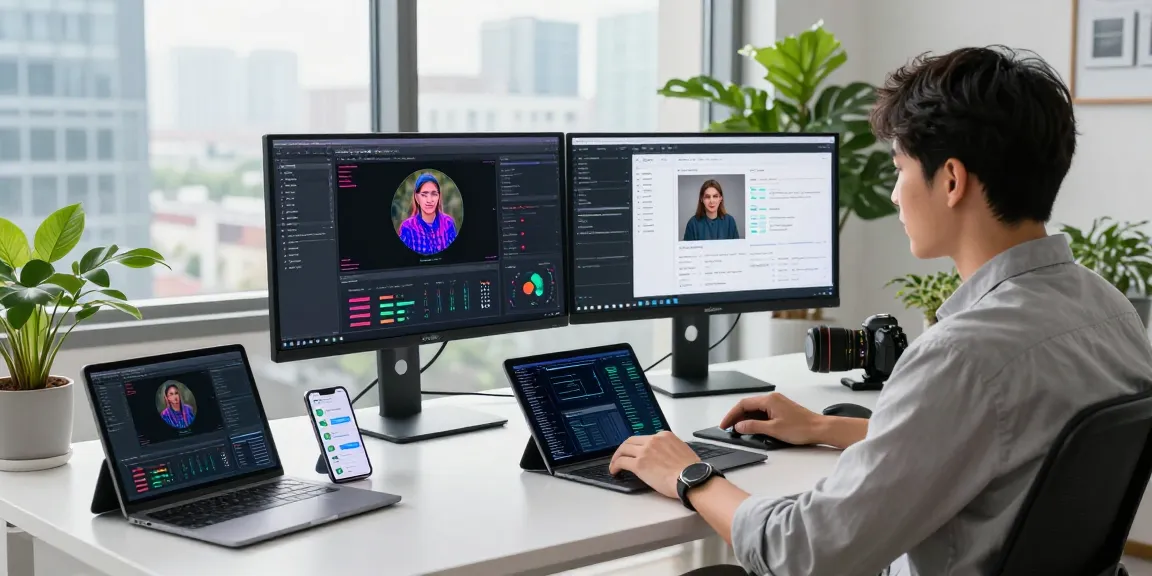
Understanding AI Image Detection Technology
In the rapidly evolving landscape of artificial intelligence, AI image detection has emerged as a pivotal tool for various applications, from art authentication to security and fraud detection. This technology leverages advanced algorithms to analyze images, offering insights into their authenticity and origin. As the prevalence of AI-generated images increases, understanding how these AI detectors function becomes essential for both professionals and casual users alike. When exploring options, free ai detector tools provide comprehensive insights into the nature of digital images, ensuring authenticity and reliability in visual content.
What is AI Image Detection?
AI image detection refers to the process of using machine learning algorithms to analyze and classify visual data. This involves identifying patterns, components, or anomalies within images that may indicate their origin—whether they were created by a human artist or generated by an AI system. This technology has gained traction due to the growing need for content verification in industries like journalism, digital art, and advertising, where the authenticity of visual content is crucial.
The Science Behind AI Detection Models
At the core of AI image detection lies a combination of computer vision and machine learning. Models are trained on vast datasets containing both real and artificially generated images. Through a process known as supervised learning, these models learn to distinguish between authentic and AI-generated patterns based on features such as pixel arrangement, metadata, and image artifacts. Researchers continually refine these algorithms, enhancing their accuracy and reliability in detecting AI-generated content.
How AI Identifies Image Features
AI image detectors analyze various features within an image. These include:
- Patterns: Unique arrangements of colors and shapes that may reveal the image’s origin.
- Metadata: Information embedded within the image file, such as the creation date and device details, which can indicate whether it was manipulated.
- Artifact Analysis: Signs of digital alteration or generation, which are often present in AI-produced images.
By evaluating these elements, AI detectors provide users with a probability score indicating the likelihood of an image being AI-generated.
How to Use the Free AI Detector
Step-by-Step Guide to Uploading Images
Using an AI image detector is straightforward. Follow these steps:
- Visit the Detector: Navigate to the AI image detector platform.
- Upload Your Image: Drag and drop your image file or click to browse. Supported formats include JPG, PNG, WebP, and GIF.
- Analyze the Image: The system will automatically scan your image for patterns and features.
- Review Results: Once the analysis is complete, review the detailed result output.
Supported Image Formats for Analysis
The AI image detector supports a variety of file formats to ensure broad usability. You can upload images in:
- JPG/JPEG
- PNG
- WebP
- GIF
This flexibility allows users to check images across various platforms, accommodating the diverse formats commonly used in digital media.
Interpreting Your Detection Results Effectively
Results from an AI image detector typically include:
- Probability Score: A numeric value indicating the likelihood of the image being generated by AI.
- Confidence Level: A qualitative assessment that provides insight into the certainty of the analysis.
- Detection Explanations: Detailed descriptions of features that contributed to the detection outcome, helping users understand how the decision was made.
Accuracy and Limitations of AI Image Detection
Evaluating Detection Accuracy
The accuracy of AI image detection varies depending on the algorithms used and the quality of the training datasets. Generally, leading AI detectors exhibit high levels of precision, often reaching over 90% accuracy in identifying AI-generated images. However, factors such as image quality and the sophistication of AI generation techniques can impact results.
Common Misconceptions about AI Detection
Many users harbor misconceptions regarding AI detectors, such as:
- 100% Accuracy: No AI detection tool can guarantee absolute certainty due to the evolving nature of AI technology.
- Limited Use Cases: While often associated with digital art, AI image detectors have applications in security, legal evidence, and social media authenticity checks.
- Complexity of Use: Most AI image detectors are user-friendly and designed for straightforward operation.
Best Practices for Ensuring Accurate Results
To improve the reliability of AI image detection, consider the following best practices:
- Use High-Quality Images: Clear, high-resolution images yield better analysis results.
- Understand the Limitations: Be aware of the inherent limitations in AI detection technology.
- Use Multiple Tools: Cross-verify results using various detection tools to increase confidence in the outcome.
Advanced Features and Applications of AI Image Detectors
Exploring API Access for Developers
For developers, many AI image detection platforms offer API access, allowing integration into applications and services. This enables businesses to automate image verification processes, embed detection capabilities in content management systems, and enhance security measures in platforms handling user-generated images.
Use Cases in Different Industries
AI image detectors find application across numerous fields:
- Media and Journalism: To verify the authenticity of images before publication.
- Art and Authentication: To distinguish between original artworks and AI-generated replicas.
- Security and Surveillance: To analyze video footage for signs of manipulation or artificial generation.
- Social Media Platforms: To combat misinformation by detecting altered or AI-generated images.
Future Trends in AI Image Detection Technology
The future of AI image detection technology looks promising, with significant advancements expected in:
- Enhanced Algorithms: Continued improvements in machine learning techniques will lead to more accurate and faster detection.
- Broader Applications: As AI-generated imagery becomes commonplace, the demand for reliable detection tools will grow, prompting innovations in various sectors.
- Regulatory Compliance: Expect more frameworks governing the use of AI-generated content, necessitating robust detection mechanisms.
Frequently Asked Questions
Is the AI image detector truly free to use?
Yes, many AI image detectors, including ours, offer free services without any hidden charges or sign-up requirements, allowing users to upload and analyze images seamlessly.
How accurate is the free AI detector in detecting AI-generated images?
While accuracy can vary based on image quality and complexity, our free AI detector is designed to deliver reliable results with a high probability of accuracy based on current technology.
Can I perform more than 10 checks per hour?
Most free AI detectors allow users to conduct multiple analyses. However, there may be limitations on the number of checks per hour to ensure fair use and optimal performance.
What are the best practices when using the AI image detector?
To maximize the effectiveness of the AI image detector, use high-resolution images and integrate insights from multiple detection tools.
Do you provide resources for learning about AI detection technology?
Absolutely! We offer a variety of resources, including articles, webinars, and tutorials to help users understand and leverage AI detection technology effectively.