Understanding the Importance of Eye Health in 2026
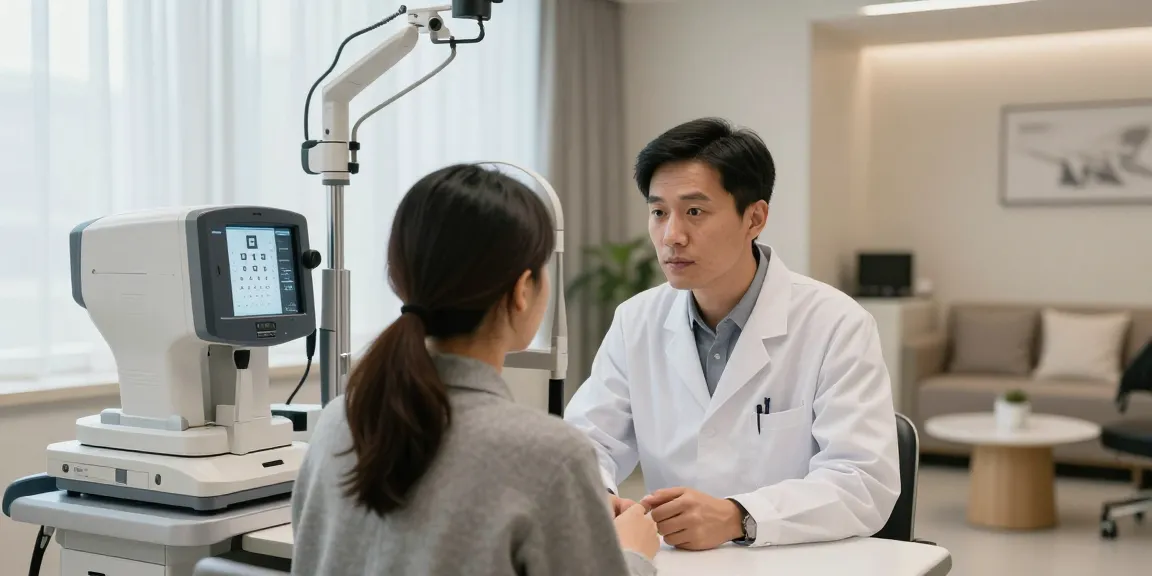
As we navigate the complexities of modern life, eye health has emerged as a crucial aspect of overall wellbeing. With increasing screen time and environmental factors contributing to a rise in vision-related issues, the importance of routine eye care cannot be overstated. At SNU Eye Clinic, we understand that maintaining good vision is essential for a productive life. With advancements in technology and medical practices, staying informed about eye health has never been more vital. When exploring options, https://snuseoulglobal.com provides comprehensive insights into eye care and treatment.
Why Regular Eye Exams Matter
Regular eye exams are the cornerstone of effective eye care. These check-ups not only help in detecting vision problems early but also allow for proactive management of potential health issues. As per the American Optometric Association, adults should have their eyes examined every two years, while seniors and individuals with pre-existing conditions may need annual visits. Through thorough assessments, eye care professionals can identify conditions like glaucoma, diabetic retinopathy, and macular degeneration before they progress to more severe stages.
Common Eye Conditions Affecting Vision
Some common eye conditions that affect vision include:
- Myopia (Nearsightedness): Difficulty seeing distant objects clearly.
- Hyperopia (Farsightedness): Trouble focusing on close objects.
- Astigmatism: Blurred vision caused by an irregularly shaped cornea.
- Presbyopia: Age-related loss of near vision.
Understanding these conditions is essential for effective treatment and management. Awareness fosters timely consultations, allowing for more successful interventions.
Emerging Trends in Eye Care Technology
The field of eye care continues to evolve, with innovative technologies shaping the way vision problems are diagnosed and treated. Artificial intelligence (AI) is now being leveraged to enhance diagnostic accuracy and improve personalized treatment plans. Moreover, telemedicine is growing, enabling patients to consult with specialists remotely, which is particularly beneficial for those living in rural areas. These trends herald a new era in eye care, making services more accessible and efficient.
Key Treatments Offered at SNU Eye Clinic
At SNU Eye Clinic, we offer a wide range of treatments tailored to meet individual patient needs. Our focus on advanced technology and expert care positions us as a leader in eye care and surgery in Korea.
Overview of Comprehensive Eye Surgery
Comprehensive eye surgery encompasses a variety of procedures aimed at correcting vision and enhancing eye health. From laser surgeries to cataract removal, our dedicated team employs state-of-the-art techniques to ensure optimal outcomes. With over 50,000 surgeries successfully performed, we have established a reputation for exceptional accuracy and care.
Understanding ICL and Toric ICL Procedures
Implantable Collamer Lens (ICL) surgery is an advanced solution for vision correction, particularly for those who do not qualify for LASIK due to high refractive errors. Toric ICL addresses astigmatism, providing clearer vision for patients with this condition. Both procedures are minimally invasive and offer rapid recovery times, making them a popular choice among patients seeking permanent solutions.
Benefits of 1:1 Vision Correction
Our 1:1 vision correction approach ensures personalized treatment plans, tailored to the specific visual needs of each patient. This bespoke method takes into account individual lifestyle factors, ensuring that the outcomes align with patient expectations. With dedicated follow-ups and adjustments, we strive for the best possible results, enabling patients to experience life with enhanced clarity.
Innovative Diagnostic Tests and Technologies
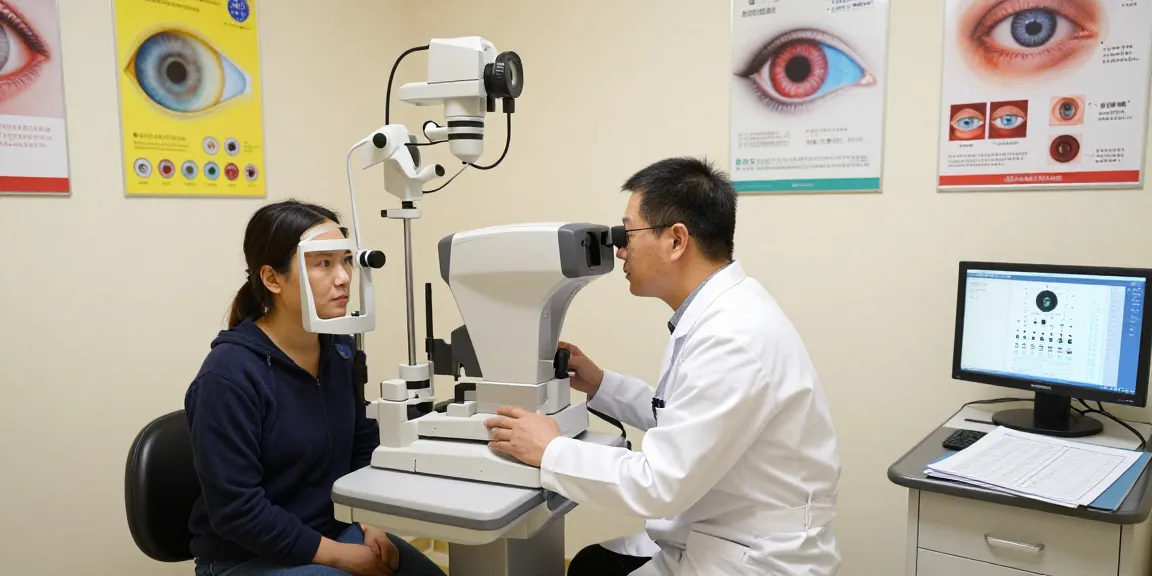
Accurate diagnosis is essential for effective treatment, and at SNU Eye Clinic, we offer a comprehensive range of tests designed to evaluate and monitor eye health. Our methodology includes 52 detailed tests that ensure a holistic understanding of each patient’s vision.
52 Detailed Tests Explained
The 52 detailed tests are categorized into seven main areas, covering everything from basic vision screening to in-depth assessments of ocular health. These tests allow our specialists to detect and diagnose conditions that may not be apparent during routine examinations.
How Advanced Technology Enhances Diagnosis
With advancements in imaging technology, we can now observe the eye with unprecedented detail. Techniques such as Optical Coherence Tomography (OCT) provide cross-sectional images of the retina, assisting in the early detection of diseases. This ensures a more accurate diagnosis and allows for timely intervention.
Patient Experiences with Diagnostic Processes
Patients who undergo our diagnostic tests often report a sense of reassurance knowing that they are receiving thorough examinations. The clarity provided by our advanced technology helps explain complex visual conditions, fostering a collaborative environment between patients and doctors.
Why Choose SNU Eye Clinic for Your Eye Care Needs?
Choosing the right eye care provider is crucial for ensuring the best possible outcomes. At SNU Eye Clinic, we pride ourselves on our commitment to quality care and patient satisfaction.
Expert Medical Team and Qualifications
Our medical team comprises highly trained professionals with extensive experience in ophthalmology. Many of our surgeons are leaders in their fields, regularly contributing to cutting-edge research and advancements in eye care. This expertise translates into exceptional care for our patients.
Success Stories from 50,000+ Surgeries
Success stories abound at SNU Eye Clinic, with over 50,000 surgeries conducted and countless lives transformed through improved vision. Patient testimonials highlight the profound effects of our care, with many expressing gratitude for their newfound clarity and quality of life.
Personalized Patient Care Approach
Our patient care philosophy revolves around personalization. Every treatment plan is custom-tailored to ensure that each patient receives care that aligns with their unique vision and lifestyle needs. This approach not only enhances satisfaction but also optimizes treatment outcomes.
Future of Eye Care: Trends to Watch in 2026
As we look toward 2026, several trends are poised to shape the future of eye care. Staying ahead of these developments can empower patients and practitioners alike.
Adaptations in Eye Treatment Methods
As new research surfaces, treatment techniques will continue to evolve. Emerging therapies, such as stem cell-based treatments, hold the potential to revolutionize how we approach degenerative eye conditions. Staying informed about these innovations will be key for both patients and providers.
Role of Telemedicine in Eye Care
Telemedicine has already transformed many aspects of healthcare, and eye care is no exception. With the ability to consult with specialists remotely, patients can receive consultations, follow-ups, and even preliminary assessments without the need for in-person visits. This trend is particularly beneficial for those with mobility challenges or those living in remote areas.
Predictions for Patient Care Innovations
Looking ahead, we anticipate a surge in AI-driven tools that will further enhance diagnosis and treatment options. These tools will enable more personalized patient experiences, as data analytics can inform treatment plans tailored to individual needs.
What are the steps for scheduling a consultation?
Scheduling a consultation at SNU Eye Clinic is simple. Interested patients can visit our website to fill out a consultation request form. Once submitted, our team will follow up to confirm appointments at your convenience.
How do I prepare for my eye surgery?
Preparation for eye surgery typically involves a pre-operative consultation where your specific needs will be discussed, including any medications to avoid and instructions for the day of surgery. It’s essential to follow these guidelines closely to ensure a smooth operation.
What kind of post-operative care can I expect?
Post-operative care is critical to ensure successful recovery. Patients can expect follow-up visits to monitor healing progress, along with guidelines for activities to avoid and recommendations for eye drops or medications to promote healing.
Are vision correction procedures safe for all ages?
Vision correction procedures are generally safe for adults of all ages, though certain factors must be considered for younger patients. An eye care professional can help determine the appropriateness of specific procedures based on individual circumstances.
What should I consider before opting for ICL surgery?
Before opting for ICL surgery, it’s important to consider factors such as your overall eye health, lifestyle needs, and the presence of any other health conditions. A thorough consultation with an eye specialist can provide the necessary insights to make an informed decision.