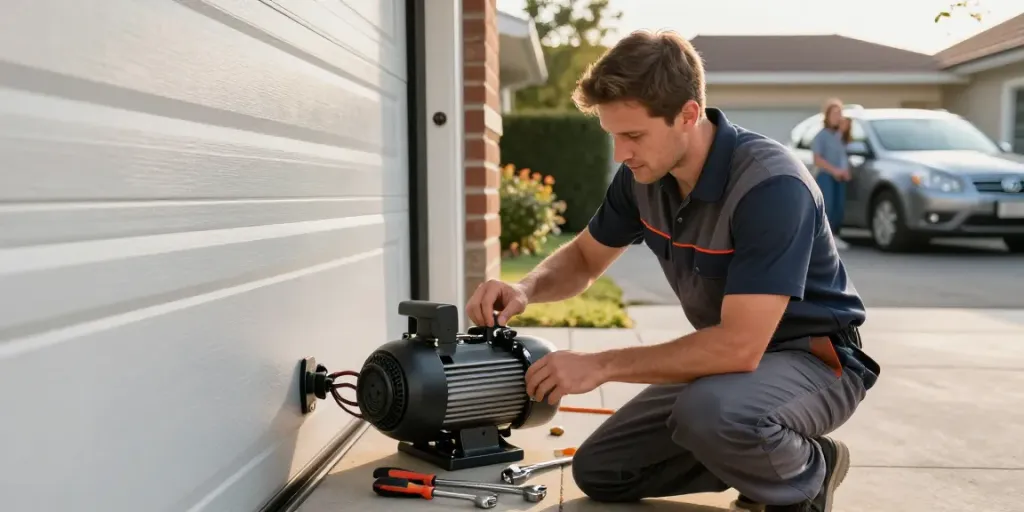
Understanding Garage Door Motors
Garage doors are essential components of our homes, providing security and convenience. The heart of any automatic garage door system lies in its motor, a crucial part that ensures smooth operation. In this article, we will delve deep into garage door motor repair and maintenance, exploring how these motors work, common issues they face, and the best practices for repairing them. Understanding the mechanics behind garage door motors is paramount for homeowners, especially those residing in areas like Maylands where fast and reliable services are essential.
What is a Garage Door Motor?
A garage door motor is the mechanism that powers the opening and closing of your garage door. Typically, these motors are part of an automated system controlled by a remote, wall switch, or smartphone app. While many modern garage doors utilize electric motors, there are still some that operate manually or with different types of motors, such as battery-operated ones.
How Do Garage Door Motors Work?
The functioning of a garage door motor is relatively straightforward. When activated, the motor turns a series of gears connected to lift cables or chains, which in turn move the door up or down along its tracks. The process involves several components, including:
- Power Supply: Most motors operate using electricity, though some models utilize battery backups for added security.
- Drive System: This can vary between chain-driven, belt-driven, or screw-driven systems, each having its benefits and drawbacks.
- Control Board: This electronic component controls the motor's operation based on signals received from the remote or wall switch.
Common Types of Garage Door Motors
Garage door motors can be categorized into three primary types:
- Chain Drive Motors: These are the most common and economical option. They use a metal chain to lift the door, providing strength and durability but can be noisier than other types.
- Belt Drive Motors: Utilizing a rubber belt, these motors offer quieter operation and are ideal for homes with living spaces adjacent to the garage. They tend to be slightly more expensive.
- Screw Drive Motors: These systems use a threaded steel rod to lift the door, requiring less maintenance but may struggle with heavier doors.
Recognizing Signs of a Malfunctioning Motor
Being able to identify motor issues early can save you both time and money. If you notice any of the symptoms outlined below, it may indicate the need for garage door motor repair.
Common Symptoms Indicating Motor Issues
Some common signs of motor problems include:
- The door opens or closes slowly.
- The motor emits unusual noises, such as grinding or squeaking.
- The door gets stuck mid-operation.
- Remote controls have no effect on the door's operation.
Understanding Garage Door Noises
Different sounds can indicate various issues with your garage door motor:
- Grinding Noises: This may suggest worn-out gears or insufficient lubrication.
- Chirping Sounds: Often a sign that the motor is straining due to misalignment or a fault in the drive system.
- Silence: If the motor makes no sound when activated, it could be a power issue or a burnt-out motor.
When to Call for Professional Help
If you're experiencing issues with your garage door motor, it's crucial to determine when to seek professional assistance. If the problem persists after basic troubleshooting, or if you notice physical damage to the components, contacting a qualified repair service is advisable. Attempting to fix complex electrical issues without proper training can lead to further damage or safety hazards.
DIY Garage Door Motor Repair Strategies
For those comfortable with home repairs, certain issues can be tackled independently, potentially saving you on repair costs. Here are some actionable tips.
Basic Troubleshooting Techniques
Before diving into repairs, you can try a few simple troubleshooting methods:
- Ensure the garage door is fully connected to the power supply.
- Check the remote batteries and replace them if needed.
- Inspect the sensors on either side of the garage door for obstructions or misalignment.
Tools Needed for Motor Repair
Having the right tools on hand is essential for any repair job. For garage door motor repairs, consider investing in:
- A multimeter for testing electrical connections.
- Wrenches and screwdrivers for loosening and tightening components.
- Lubricants to maintain smooth operations.
Step-by-Step Guide to Simple Repairs
If you're determined to tackle a basic repair, follow these guidelines:
- Power Down: Always disconnect the power supply before working on the motor.
- Inspect Components: Look for signs of wear or damage in the gears, drive belts, or chains.
- Lubricate Moving Parts: Apply lubricant to gears and moving components to reduce friction.
- Reconnect Power: Once repairs are complete, reconnect the power and test the door's operation.
Choosing a Professional Garage Door Repair Service
When DIY efforts do not yield results, or if the problem is beyond your expertise, hiring a professional is the best route. Here's how to ensure you select the right service.
What to Look for in a Garage Door Repair Technician
In your search for a repair technician, consider the following:
- Experience: Look for companies or technicians with a solid reputation and substantial experience in garage door repairs.
- Certifications: Ensure that the technician has the necessary certifications and insurance to perform repairs safely.
Evaluating Repair Quotes and Services
Comparing several quotes can help you find a fair price. Ensure that each quote includes a breakdown of parts and labor, and ask about warranties on both parts and services.
Questions to Ask Before Hiring a Service
Before finalizing your choice, ask the following:
- How long will the repair take?
- What is the total cost, including parts and labor?
- Do you provide a warranty for your work?
Future Trends in Garage Door Technology
The garage door industry is evolving with advancements in technology, which not only enhance performance but also improve user convenience. Here are some trends to watch for in 2026 and beyond.
Smart Garage Door Systems in 2026
As smart home technology gains ground, garage doors equipped with remote-access capabilities are becoming more prevalent. These systems allow homeowners to control their garage doors via smartphones, enhancing security and convenience.
Innovations in Motor Mechanisms
The design of garage door motors continues to evolve, with innovations aimed at increasing energy efficiency and reducing noise levels. Expect to see more robust motors that can handle heavier doors while still maintaining quiet operation.
Predicted Changes in Garage Door Repairs
With the rise of smart technology, repair services will likely need to adapt. Technicians will require training to handle more advanced electrical systems and troubleshooting methods that differ significantly from traditional setups.
What Are the Benefits of Preventative Maintenance?
Regular maintenance can extend the life of your garage door motor and prevent costly repairs down the line. Benefits include:
- Increased reliability and performance.
- Early detection of minor issues before they escalate.
- Improved safety and security of your property.
How much does garage door motor repair typically cost?
The cost of garage door motor repairs can vary widely based on the specific issue, the type of motor, and the service provider. On average, repairs can range from $100 to $500. It's essential to get an estimate before work begins to avoid surprises.
What are the signs of a failing garage door motor?
Common indicators include grinding noises, inconsistent operation, and a motor that doesn't respond to controls. If you notice any of these signs, it's essential to act quickly to prevent further damage.
Can I repair my garage door motor myself?
Simple fixes can often be handled by homeowners with basic DIY skills, such as lubricating parts or recalibrating the motor. However, for more complex issues, professional help is recommended to ensure safety and proper repair.
How long does a garage door motor last?
With proper maintenance, a quality garage door motor can last anywhere from 10 to 15 years. Factors such as usage frequency and environmental conditions can affect its lifespan.
What should I do if my garage door won't open?
If your garage door won't open, first check the power supply and remote batteries. Inspect the door for any visible obstructions and ensure that the safety sensors are aligned. If these steps do not resolve the issue, it might be time to call a professional.