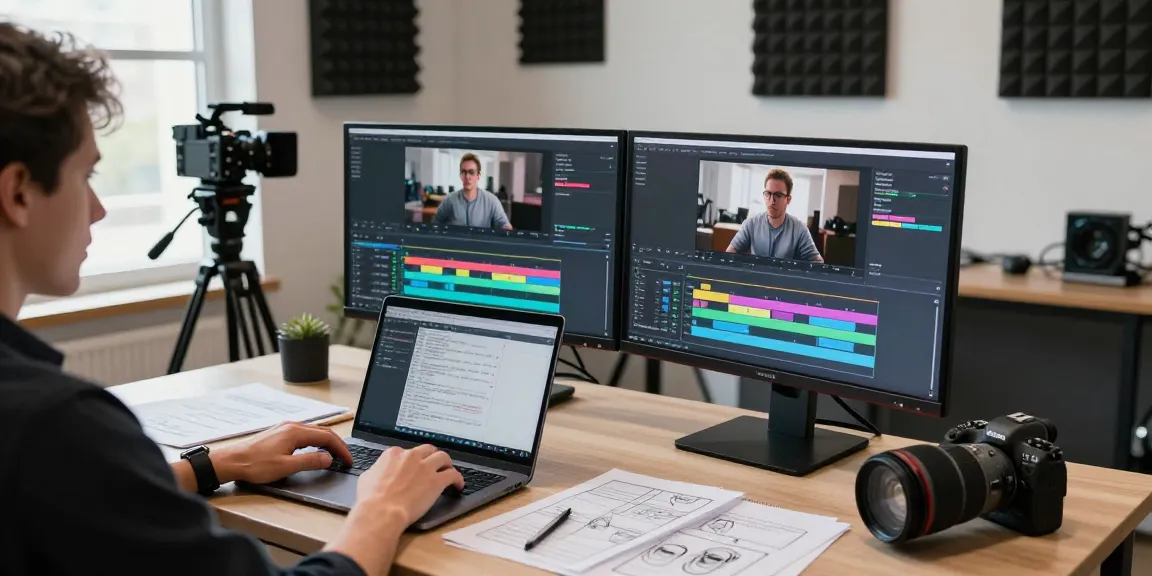
Understanding Video to Prompt Technology
The rapid evolution of artificial intelligence has given rise to innovative solutions that streamline content creation processes. One such breakthrough tool is the video to prompt generator. This technology empowers users to convert video content into structured text prompts efficiently, enabling a more creative and effective approach to video production. By analyzing visual elements within videos—such as scenes, actions, and even lighting—this AI-powered generator can produce detailed prompts that enhance user experience and content creation capabilities.
What is a Video to Prompt Generator?
A video to prompt generator is an AI-based tool designed to translate various video segments into text-based prompts that can be easily interpreted by other AI systems. By utilizing advanced machine learning algorithms, the technology assesses the visual and auditory details in the uploaded video, providing extensive insights and descriptions. This can be particularly beneficial for content creators looking to maximize the potential of their videos in various applications such as marketing, education, and artistic endeavors.
Key Benefits of Using Video to Prompt
- Increased Efficiency: The automated nature of a video to prompt generator significantly reduces the time spent on manual analysis and prompt creation.
- Enhanced Creativity: By generating detailed prompts, creators are inspired to explore varied thematic and stylistic elements that can be incorporated into subsequent video projects.
- Multilingual Support: Many tools offer the capability to generate prompts in multiple languages, fostering accessibility for global audiences.
- Improved Collaboration: Detailed prompts facilitate communication among team members, ensuring that everyone is aligned on the creative vision.
How Video to Prompt Works: A Step-by-Step Guide
- Upload Your Video: Users can easily upload their video files in common formats such as MP4, MOV, or AVI.
- Select the AI Model: Users choose an AI model tailored for their specific needs, such as cinematic analysis or artistic style.
- Analyze Video Content: The AI analyzes scenes, actions, camera movements, and lighting, capturing intricate details.
- Generate an AI Video Prompt: Based on the analysis, the system produces structured text prompts that detail the visual content.
- Use the Prompt: The generated prompts can be employed in various text-to-video generators or for further creative exploration.
The Impact of Video to Prompt on Content Creation
Enhancing Creativity Through Automated Prompts
The introduction of automated prompts through video to prompt technology significantly enhances the creative process. Artists, marketers, and educators can leverage detailed text descriptions to inspire new ideas, strategies, and educational content. This not only boosts productivity but also sparks innovative approaches to storytelling and messaging across platforms.
Case Studies: Successful Uses of Video to Prompt
Across industries, several case studies highlight the successful implementation of video to prompt technology:
- Marketing Campaigns: A digital marketing agency used video prompts to quickly generate multiple promotional materials from a single video asset, leading to a 30% increase in campaign efficiency.
- Educational Content: An online educator transformed lecture videos into engaging prompts for interactive quizzes, significantly enhancing student comprehension and participation.
- Film Production: Independent filmmakers utilized video-to-prompt tools to create detailed storyboards from raw footage, optimizing their production schedules.
Common Challenges in Video to Prompt Implementation
While the benefits are substantial, organizations must also navigate challenges when implementing video to prompt technology:
- Data Privacy Concerns: Organizations must ensure that sensitive video content is handled securely and that privacy regulations are followed.
- Learning Curve: Users may face initial challenges in adapting to new tools and processes.
- Quality of Prompts: The effectiveness of generated prompts can vary based on the AI’s training and the video content’s quality.
Choosing the Right Tools for Video to Prompt Generation
Top Video to Prompt Generators for Various Needs
With the market expanding, various tools cater to specific needs in terms of feature sets and usability:
- Sora: Known for its cinematic video analysis, ideal for filmmakers.
- Veo: Excellent for educational applications, providing high-accuracy prompts that capture key concepts.
- Kling: Focuses on artistic video generation, offering creative and visually appealing prompts.
Comparing Features: What to Look For
When selecting a video to prompt generator, consider the following:
- Supported Video Formats: Ensure compatibility with your video files, looking for common formats like MP4, MOV, or AVI.
- Analysis Depth: Choose a tool that offers detailed scene, motion, and style analysis.
- Multilingual Capabilities: If targeting diverse audiences, opt for software that supports multiple languages.
- Data Security: Confirm that the tool provides robust security measures to protect uploaded video content.
Integrating Video to Prompt Tools into Your Workflow
To maximize the benefits of video to prompt technology, integration into existing workflows is crucial:
- Training: Provide comprehensive training to team members on how to effectively use the tools.
- Collaboration: Establish processes that promote collaboration among team members utilizing prompts during project development.
- Feedback Mechanisms: Implement feedback loops to continually refine prompt generation and improve output quality.
Best Practices for Effective Video to Prompt Conversion
Optimizing Your Videos for AI Analysis
To ensure optimal results when using video to prompt technology, follow these practices:
- Quality Production: Upload high-resolution videos to enhance the accuracy of scene analysis.
- Clear Visuals: Ensure clear and unobstructed visuals for more detailed prompts.
- Consider Lighting: Well-lit scenes improve the AI’s ability to analyze visual elements effectively.
Refining Prompts for Specific Use Cases
Once prompts are generated, refining them for specific applications is essential:
- Target Audience: Tailor the prompts to resonate with your specific audience’s preferences.
- Contextualization: Add context where necessary to ensure clarity and relevance.
- Iterative Testing: Regularly test and revise prompts based on feedback and performance metrics.
Avoiding Common Pitfalls in Prompt Creation
To prevent common mistakes in generating video prompts:
- Overgeneralization: Avoid vague descriptions that lack detail. Aim for specificity.
- Ignoring Context: Always consider the final application of the prompts to ensure they align with end goals.
- Neglecting Updates: Stay abreast of updates to the AI technologies being used to enhance prompt quality.
Future Trends in Video to Prompt Technology
Emerging Technologies and Innovations for 2026
As the landscape of video to prompt technology evolves, several trends are likely to emerge in 2026:
- Enhanced AI Training: We can expect improvements in the AI training processes, allowing for greater accuracy and understanding of nuanced video content.
- Real-Time Analysis: Potential developments may lead to real-time prompt generation, providing immediate feedback and suggestions during video production.
- Integration with Virtual Reality: New technologies may allow for the integration of video to prompt systems with virtual reality experiences, enhancing immersive storytelling.
How Video to Prompt Will Shape Content Creation
The future of content creation lies in the seamless integration of AI technologies that enhance creativity and efficiency. Video to prompt tools will likely become staples in various sectors, helping creators to communicate their ideas more vividly and effectively.
Preparing for Changes in AI Video Generation
To stay ahead in the rapidly changing landscape of AI video generation, businesses and content creators must:
- Invest in Training: Continuous education on emerging technologies is vital.
- Adapt to New Tools: Be flexible in adopting novel video to prompt tools that offer improved features.
- Engage in Community Feedback: Participate in user feedback communities to share experiences and learn best practices.
What is the accuracy of the video to prompt results?
The accuracy of results from video to prompt generators largely depends on the sophistication of the AI model used. High-quality video inputs and advanced algorithms typically yield remarkably accurate prompts, capturing intricate details of the original content.
Is my video data safe when using video to prompt tools?
Yes, reputable video to prompt platforms prioritize user privacy and data security. Most systems process uploads temporarily and ensure that all video content is deleted post-analysis.
Can I generate prompts in multiple languages with video to prompt?
Many video to prompt generators support multiple languages, making them suitable for creators targeting global audiences.
How long does it take to convert a video to a prompt?
Processing times vary based on video length and complexity, but most videos can be converted within minutes, with progress updates provided during the processing phase.
Are there free tools available for video to prompt conversion?
Several platforms offer free tiers for using video to prompt technology, allowing users to experience its capabilities without initial financial commitment.